Wednesday, 7 March 2018

Final Summative Blog


What I have Learned ... 
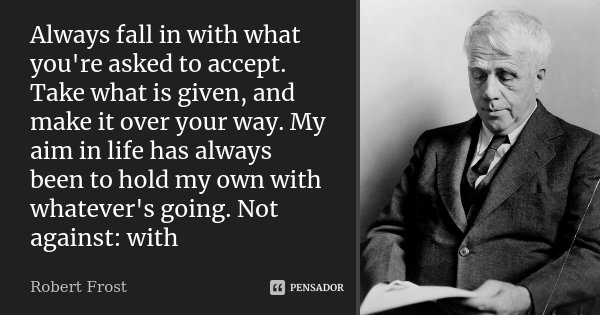
It was too difficult to decide which Robert Frost to have on this blog so I decided there was room for both. Their messages are very similar and this way I don't alienate anyone by virtue of having a 'horsey' reference. I always used to say that in my next life I will be coming back as someone who is around horses a lot.
For me, these quotes are reminders of how to be, rather than declarations of who I am.

I will now turn my attention to "Moving Towards Teacher 4.0 and beyond..." becoming the teacher that I have been training all my life to become. Well, formally just the past two years ...

Looking back through my journal and blog posts I can see how I have come a long way in my understanding of what it means to be a connected educator. I am far from being the savviest technology incorporating teacher on the block but I am most definitely more at ease with technology in the classroom than I was when I first started out. I have built up my capacity bit by bit. (haha horse pun)

I reminded myself of the titles of my blogs and how I relate to educational technology today:

One was Documenting Growth: growth needs to be something that we pursue all the time, just as we have over the past two years. At times, I have thought to myself that we have been living in Vygotsky's zone of proximal development where we have been stretched just beyond what we can do without help to what we can do with a bit of guidance.

Another was Teachers staying Connected with Teachers: Two surprising things that I realize about this title. One is how Twitter has infiltrated itself into my professional life. I have been able to build up an online professional learning network that I can go to when I have particular problems to solve. From there it snowballs to finding that person's website and blog and then adding them to my RSS feed. The second surprising thing about teachers staying connected with teachers is my own personal role in connecting with teachers. I knew that there would be other educators that I would want to be connected to. During this term in my Teaching French as a Second Language, I realized that I have to step up and be the mentor for others who have a desire to teach French but need access to resources and encouragement to go for it even if their confidence is not quite there yet. This is a call to action that all teachers must respond to with their individual talents and ways. I spent time updating an excel file (easy to update and sort) that I will be sharing with my cohort and also my FSL Methods class. I've added myself to the list as well. Indeed, one of my passions is to curate information and share it with others. Using ICT in Education - Lacharité.xlsx

The last one that I'll have time to talk about is Synthesizing - Big word that means to merge: This is huge, merging knowledge of digital citizenship into my teachable areas of French and ELA means that I must have the ability to address the ongoing need to educate students on critical thinking about the media that we are all consuming every day. Thankfully the MediaSmarts PD I attended is also added to my resource list and I have already found pertinent lessons that can be incorporated into my classes. Awareness of what we consume is not the whole picture though. In taking this course, it has become more and more obvious to me that we also need to get comfortable with how to produce media. The biggest struggle for me was indeed making a video. In this regard, I am so much more comfortable with being on the consumer side. What is driving me though to push past my reluctance is the credibility and confidence that I will have with my students on my own YouTube channel where I can curate and upload my own resources for myself but more importantly for students, parents and other educators.

Back to Frost - Do you agree with my choice of quotes now that you have gotten to know me a bit through my blogs? Which one do YOU prefer? Do you have a Robert Frost Quote you like?


Wednesday, 28 February 2018

TT #9 - Evernote as an internet resources for professional use

I'm going to discuss a resource that is for professional use. https://evernote.com/
I also thrive on TEDtalks but I felt the need to discuss something different.
Years ago I had learned about Evernote though a knitting podcast believe it or not. It was called knitpicks if anyone is interested. The author of the podcast spoke so highly and so detailed about the usefulness of Evernote that I was compelled to give it a try.
Try I did, but quickly lost interest. Years later, while in the education program I needed to find a way to organize interesting articles that I wanted to read, either related to my courses directly or to my side interests related to health. I also confirmed with Eleni that Evernote was still a current and useful tool for curating from the internet. She agreed to give me a refresher and talked me through it in a bit more detail. I am so glad that I took it up again!
Once you have created an account on Evernote, it is easy to use it as a web curation site. It's motto is "Get Organized, Work Smarter, Remember Everything". I now no longer have twenty windows open in order to remind myself which websites I have been to and which articles I want to read. It gives me the flexibility to create many categories of folders. There is also the webclipper option to add to your browser that makes staying organized very easy with very few steps.

Tuesday, 27 February 2018

Tech Task #6 - PLE & PLN.

After doing a quick survey of what the others did to show their networks I thought mindmeister would be the one to go with, at the last minute though I decided to try something different. www.webspirationclassroom.com.

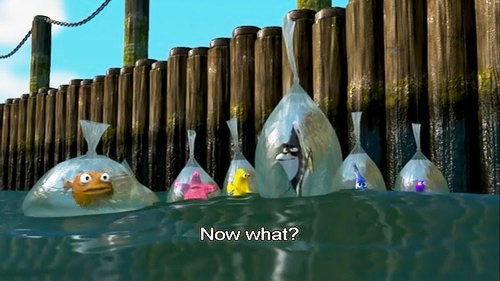
I also discovered what web 2.0 means, hint it's a synonym for PLN! Now I know! While at Westcast this week, I heard speakers talk about being in 'silos'. This is what came to mind from the movie Finding Nemo. Indeed Gill, what next?


Above is my PLN in the spirit of trying out http://www.webspirationclassroom.com/launch.php With some more practice I am sure that my graphic organizers can become something that I can be proud of to share.
Some tips I found in taking responsibility for providing our own professional development. Look for answers using the web first and foremost. Everyone is busy and it is best to look for answers yourself than to use up someone else's time. Branch out to "lurking" and linking to other educators in our desired fields. When ready, the next step is to reciprocate and offer help to others. In essence, create a network, find information and participate. It's that easy!

The practice of teaching does not thrive in silos! By modeling this to our students we will ensure that they are able to recognize the learning networks that they have. It empowers the students because it helps them understand the metacognitive aspect of learning networks.


TT # 8 - Visual Literacy - Infographics

It is easy for me to see the appeal of infographics. Information is designed purposefully to visually engage the reader and to make information easier to understand and recall. 
Since beginning my courses at the University I have consistently sought out information to complement what I am learning with infographics and also audio-visual information such as found on YouTube. 
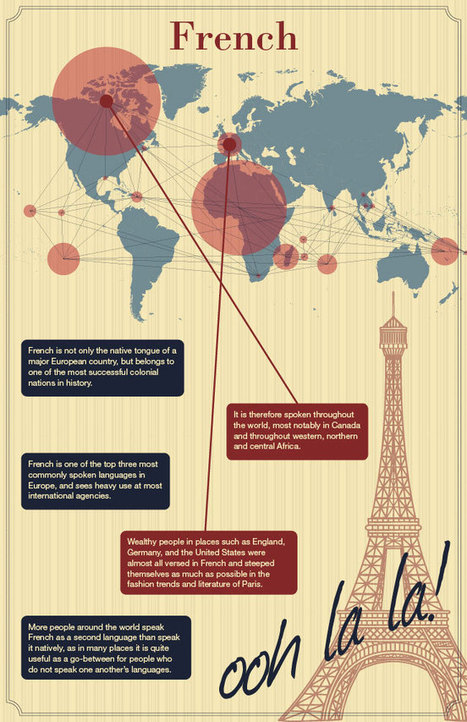
Here are two infographics I found that complement my subjects of French and Art. 


Well, that was interesting. I used Venngae to create a simple infographic. That went well. I did not upgrade to a paid subscription so the link is the only way I could figure out how to include it in my blog. 

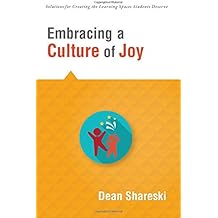
Dean Shareski - Embracing a Culture of Joy

Does anyone else ever have those moments where you hear a message that you've heard before but for some reason today is the day you hear it and it is like you've heard it for the first time? Today's presenter gave such a message today. 
Last year as I crafted my philosophy of teaching I wrote "A child or adolescent's basic needs for safey, nourishment, and belonging must be met before intellectual growth can take place." This message was brought up in Mr. Shareski's visit to our class today as well. This represents one aspect of learning, the other that our presenter is most passionate about is the one he wrote a book on:  


Apparently he has also done a TEDtalk, but here he is on the subject of "Surprisingly Awesome" which is linked to what he spoke to us today about. 


We were given time to ask Dean questions a couple of times throughout the talk (via zoom). I honestly was lost in deep thought about the implications of his message to me as a teacher. He really did give us "food for thought". 
Two questions he proposes students should be able to answer in order to take advantage of the Community of learners that come through the doors of our schools. 
1) What did I learn from others today?
2) What contributions did I make to their learning?
There were other great messages as well but the next thing I want to share with you that resonated with me happened when I was exploring his Twitter and blog. There it was, a sense of playfulness, poking fun at the everyday, bam, I was hooked. http://ideasandthoughts.org/2016/05/30/how-to-become-a-brand-or-not/ here are the main points he says on how to become a brand or not, tongue in cheek:

1. The majority of your tweets should be links to other sites. A tweet without one has no value. Bonus if you auto-tweet them all day long. Make your brand 24/7.
2. Never post personal content. No one wants to hear about your naps or golf game or shopping excursions with your wife. The more you tweet about yourself as a human being, the more your brand loses its focus. People use twitter for information, not your silly natterings.
3. Blog like an expert. Your blog posts should be stand-alone artifacts of authority. Questioning your practice or showing ambivalence makes you look weak. Write as if you’re the smartest person in the room.
4. Never engage in conversation on twitter. When people question you or reach out to you, ignore them. It’s a time and energy suck. Spend your time crafting your message. Don’t waste time talking to people.
5. Retweet every compliment someone gives you. This is particularly effective if you’re a speaker and have just completed a talk or workshop. It’s easy to hit retweet. If you want to include a thank you, that’s fine but not necessary.
6. Make your Instagram account a potpourri of awesomeness. This is the one time you might include some personal items. But use caution. A photo of you and your loved one sipping wine at sunset is acceptable. Remind the world that your life is perfect.

I will take it as permission to continue to find the quirky and unusual things that make me tick and bestow them willingly to make others smile, just as he has today.


Monday, 26 February 2018

Tech Task #7 - Edublogger

George Couros https://georgecouros.ca/blog/ and Alec Couros https://couros.ca/

  • what a positive force these two brothers are for education in Canada. They are both savvy leaders in the field of education and the way they understand the world of the internet and its role in education. Starting out by having these two as a go-to resource for questions that come up in internet use and implications or new understandings is a great place to start.

Kevin Brookhouser http://www.kevinbrookhouser.com/
  • he is a published author of The 20time Project and Code in Every Class. I started listening to his podcast. I find his approach to the subject of digital citizenship is very easy to grasp.
Eleni Galatsanou http://justskepsis.blogspot.ca/
  • she is an up and coming trailblazer and leader in her field of study of computer science. Eleni consistently sets the standards of achievement high in everything that she puts her mind to do and her digital footprints are leading the way for beginner techies like me. I will be cheering her on from the sidelines and look forward to witnessing the impact she will have on education in Brandon, Manitoba, and beyond. 
Sylvia Duckworth https://sylviaduckworth.com/
  • she is an avid sketchnoter, French teacher and Tech Coach based in Toronto. Sylvia is up to date with a Twitter following of just under 40K. She also has her own YouTube channel that provides a good resource for teaching French as a Second Language.
Sally Bender http://salsfictionaddiction.blogspot.ca/ 
  • she is a retired teacher, teacher-librarian with an addiction to books. Sally is the epitome of what it means to be enthusiastic about reading books to students in Brandon. Her blog features new fiction and contains a very well curated catalog of books she recommends sharing with students and parents. 

Saturday, 24 February 2018

Asynchronous class - Digital Citizenship

Last year I took the time to read the chapter by Reynold Redekopp entitled Digital Citizenship Reconsidered: Global Citizenship in a Digital World. As I was reviewing the chapter I listened to an interview of the mountaineering adventurer Reinhold Messner.
I was astonished to discover this man for the first time and wondered why he was not a household name. He made the first solo ascent of Mount Everest, the first ascent of Everest without supplemental oxygen, and was the first to climb all fourteen peaks of 8 000 metres above sea level. Among other adventure challenges he also has published more than 80 books about his mountaineering experiences and has created the Messner Mountain Museum with six individual mountain locations.
Listen to him talking about his craft and the impact of the mountains on him and it doesn't take much to understand that this man is the embodiment of the essential elements of citizenship and stewardship of the mountains.
What do I see that inspires as greatly as this in the world of digital citizenship? Well, for starters Dr. Redekopp begins his introduction with a quote from T.S. Eliot from Choruses from The Rock. This poetic link is something that I can relate to just as climbing mountains (well in my case, very small mountains) is something that I can relate to and appreciate.
How will I present digital citizenship to my students? Will they benefit from a Kahoot quiz that tests their knowledge of the 9 elements as explained in the article by Mike Ribble? Will I give them a chapter to read and report on in the form of classroom tweets? Or will I put student choice and voice in their hands and encourage them to meld their 20% passion project or genius hour time to incorporate one or more element into the purpose or audience that they envision for their project in an authentic way? Afterall, the authentic application is what we are going for in teaching the stuff we're teaching n'est pas?